No products in the cart.

Picture this: a steaming, cheesy, perfectly layered dish emerges from the oven, captivating your senses with its mouth-watering aroma. It’s lasagna—a true icon of Italian cuisine. But hold on a minute before you tip your hat to Marco Polo for bringing pasta to Italy. We’re about to dive into a tale stretching back millennia, filled with ancient culinary twists and intriguing origins. Forget what you think you know; this isn’t just about noodles and sauce. It’s a journey that starts long before Marco Polo supposedly made his famous voyage and utterly reshapes our understanding of one of Italy’s most beloved dishes.
The story of lasagna is woven into the fabric of ancient civilizations, where early pasta-like creations danced between cultures and continents. Instead of an explorer’s east-to-west culinary exchange, we’re talking about a rich tapestry of historical influences that span from ancient China to the bustling marketplaces of 5th-century Sicily. Imagine merchants packing dried noodles known as itria as they embarked on arduous journeys across the Silk Road, long before Marco Polo could even dream of setting sail. As we peel back the layers of history, we’ll discover how the humble “laganne” baked dough evolved into the sumptuous lasagna we savor today. With each twist and turn, we’ll uncover the real origin story, unraveling myths, and celebrating the rich, multifaceted heritage of this timeless dish. So, grab your fork and join us on this historical feast—your taste buds and your curiosity will thank you.
Exploring the historical influences that shaped pasta from China to Sicily unveils a rich culinary journey. The origins of lasagna, a beloved Italian dish, can be traced back to ancient Greece, where flat dough known as “laganon” was the precursor to today’s lasagna noodles. The evolution continued as Arab traders introduced dried pasta to Sicily, transforming the culinary landscape.
The fusion of Chinese noodle-making techniques with Italian and Sicilian flavors gave rise to the diverse pasta dishes we enjoy today. Tracing the history of lasagna reveals a tapestry of cultural exchanges and intricate culinary innovations, showcasing how a simple dish can carry centuries of tradition and influence.
The Marco Polo connection to pasta is a popular myth that has been widely believed for centuries. In reality, pasta existed in Italy long before Marco Polo’s travels to China. Historical records show that lasagna, a famous type of pasta, was already being enjoyed in Italy during the Middle Ages, disproving the myth of its introduction from the East.
Despite the romanticized story, the truth is that pasta-making techniques were brought to Italy by Arab traders long before Marco Polo’s time. The evolution of lasagna and other pasta varieties in Italy is deeply rooted in the country’s culinary history, showcasing a rich tradition that predates any supposed foreign influence.
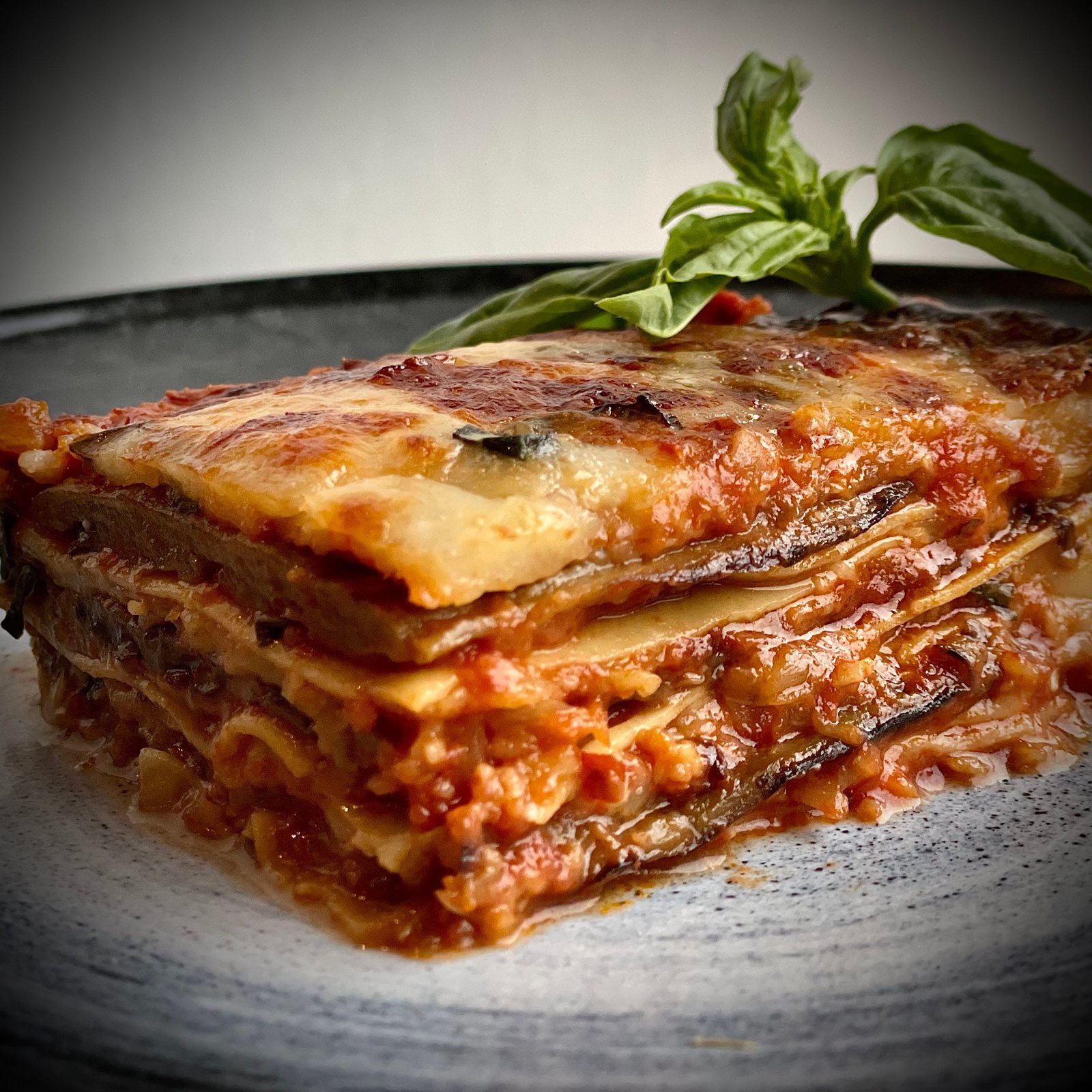
Exploring the layers of flavor in lasagna unveils its timeless appeal. The rich history of pasta dishes intertwines with the essence of lasagna, showcasing a culinary masterpiece. Each layer of pasta, cheese, and savory meat harmonizes to create a symphony of taste that has stood the test of time. Lasagna’s versatility allows for creative twists while staying true to its traditional roots.
Understanding the secret history behind pasta reveals the cultural significance embedded in every bite of lasagna. From ancient origins to modern adaptations, lasagna remains a beloved dish across generations. Delving into the origins of pasta dishes sheds light on the evolution of flavors and techniques that make lasagna a timeless classic.
Exploring the depths of culinary history, lasagna emerges as a timeless masterpiece that transcends mere taste. This iconic dish, with its layers of pasta, sauce, and cheese, unveils a rich tapestry of cultural heritage and gastronomic evolution. From its ancient origins in Italy to its global popularity today, lasagna symbolizes tradition, innovation, and the art of savoring the past while embracing the future.
Dive into the hidden layers of lasagna’s journey through time, from the humble beginnings of layered pasta in ancient Rome to the modern gourmet interpretations in Michelin-starred restaurants worldwide. Beyond its delectable flavors, lasagna offers a gateway to appreciating history through a culinary lens, inviting us to savor not just the taste but also the stories woven within each delicious bite.
Lasagna, a beloved Italian dish, has a rich history that dates back centuries. Originally hailing from Naples, lasagna has evolved over time to become a staple in Italian cuisine. Its journey through time showcases how this layered pasta dish has captured the hearts and taste buds of people worldwide.
Layer by layer, lasagna has stood the test of time, adapting to different cultures and culinary preferences. From the classic meaty Bolognese to the vegetarian-friendly versions, lasagna continues to reinvent itself while staying true to its delicious origins. Whether enjoyed in a cozy family dinner or a fancy restaurant, lasagna’s timeless appeal proves that some dishes are truly timeless.